How Professional Detailing Preserves Your Vehicle’s Value
A vehicle is often one of the most significant investments you will make, and maintaining its value should be a


Storing your car for an extended period requires careful preparation to ensure it remains in excellent condition and avoids unnecessary damage.
Neglecting proper storage procedures can lead to problems such as a dead battery, rust, flat tyres, or even pest infestations.
Whether you’re going abroad, storing a classic car, or simply leaving your vehicle unused for months, taking the time to prepare it properly can save you significant time and money in the long run.
This guide provides essential tips to help you protect your car during long-term storage and ensure it’s ready to drive when you need it.
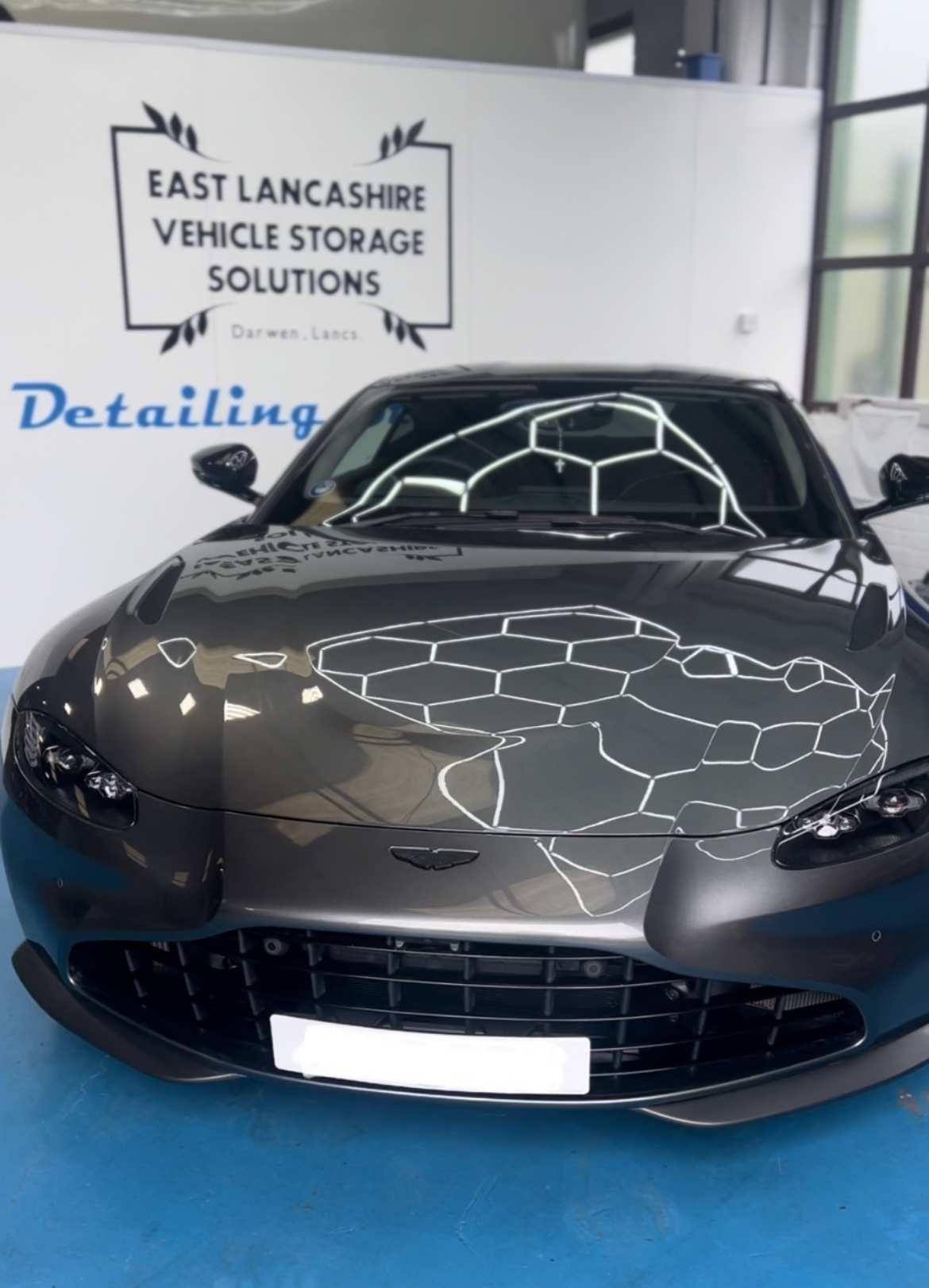
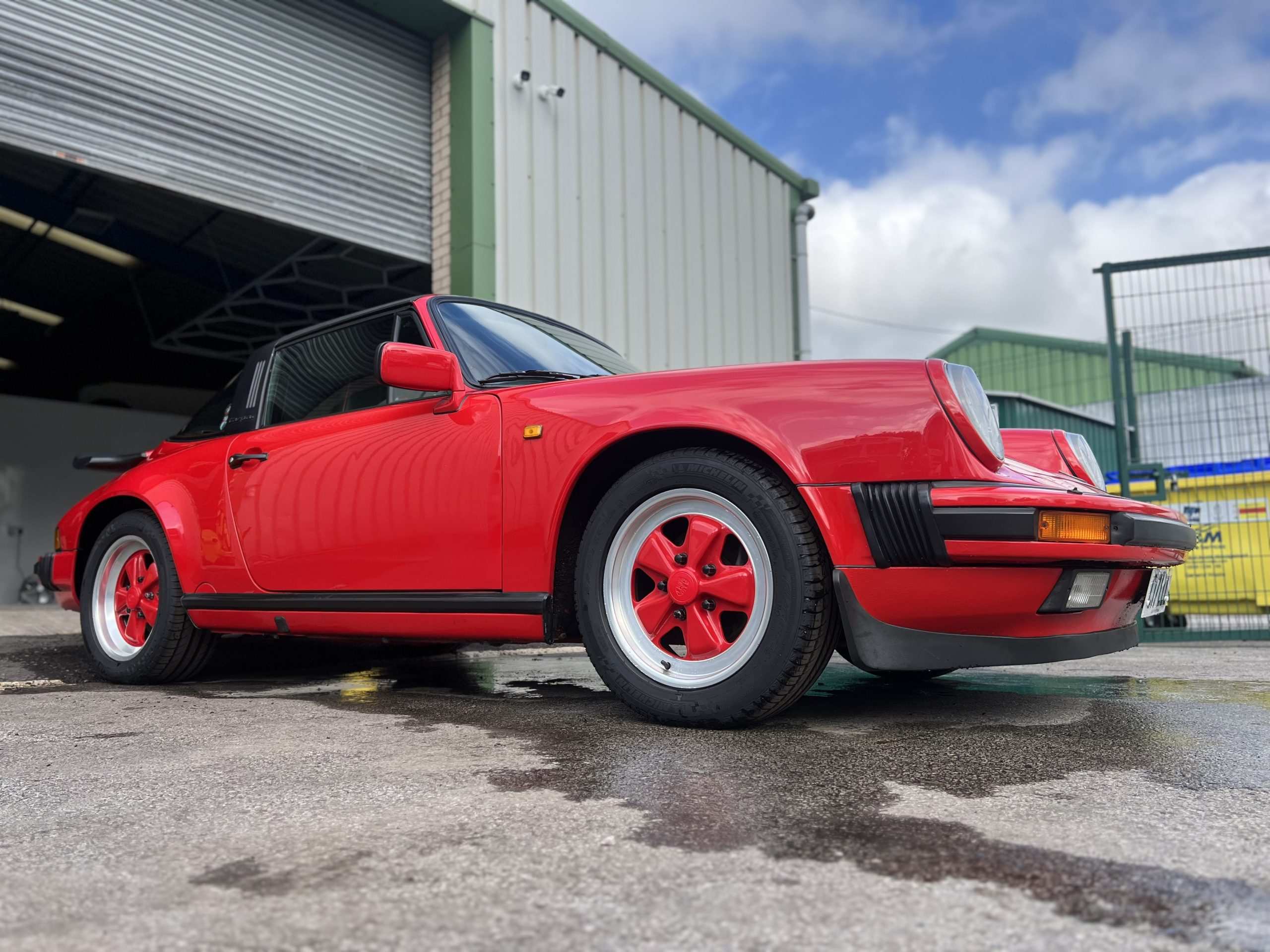
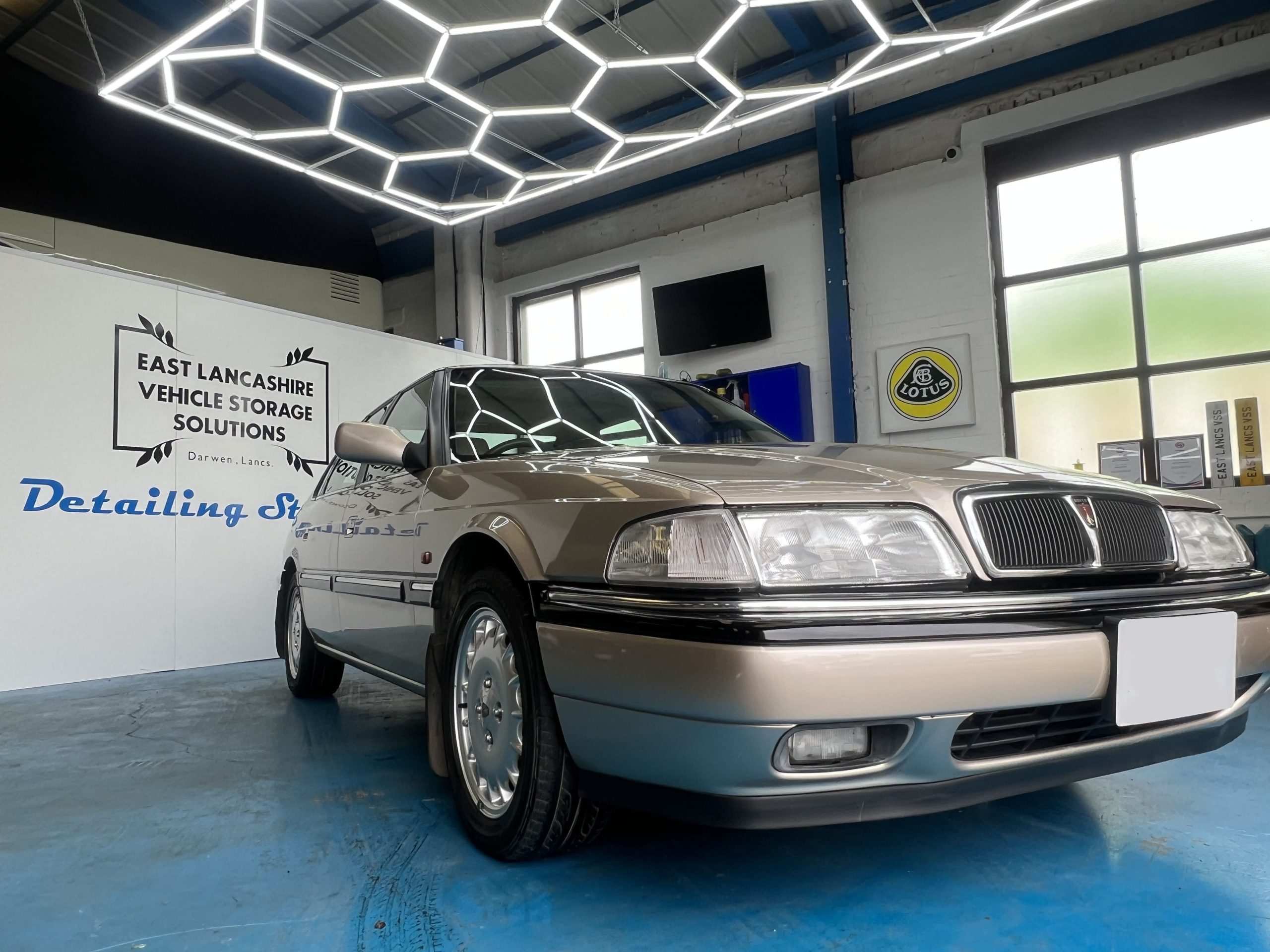
Before storing your car, thoroughly washing and waxing the exterior is crucial to remove dirt, grime, and contaminants that can cause long-term damage to the paintwork.
Even seemingly harmless substances, such as bird droppings or tree sap, can eat away at the paint if left unchecked.
Once the car is clean, applying a high-quality wax or paint sealant creates a protective barrier against moisture, dust, and corrosion.
Pay special attention to areas prone to rust, such as the wheel arches and undercarriage, ensuring they are dry and treated to minimise the risk of rust formation during storage.

The inside of your car also needs attention before storage to prevent odours, stains, and pest infestations. Start by vacuuming and cleaning all surfaces, including carpets, seats, and the dashboard, to remove dirt and crumbs that could attract rodents or insects.
Leather, vinyl, and plastic surfaces should be treated with a protectant to prevent cracking and fading during long periods of inactivity.
It’s equally important to remove all personal items, rubbish, and especially food, as these can become breeding grounds for pests. A clean and fresh-smelling interior will make it much easier to return your car to use when the time comes.
Preparing your car mechanically is a key step to ensure it remains in good working order. Begin by changing the oil and topping off all other fluids, including coolant, brake fluid, and windscreen washer fluid, to avoid corrosion or degradation inside the engine.
Inflate the tyres to the manufacturer’s recommended pressure to prevent flat spots, which can develop when the car remains stationary for too long.
Adding a fuel stabiliser to the tank is another critical measure, as it prevents the fuel from degrading and clogging the engine components over time. Taking these steps will help keep your car in top condition.
A car battery can quickly drain if left unattended, leading to issues when you need to use your vehicle again. To avoid this, you can disconnect the battery entirely or, even better, use a trickle charger to keep it fully charged throughout the storage period.
If you choose to disconnect the battery, ensure it’s stored in a cool, dry place and consider coating the terminals with petroleum jelly to prevent corrosion.
A little extra effort in maintaining the battery ensures your car will start smoothly when you’re ready to use it again.

Pests can wreak havoc on a stored car, chewing through wiring, nesting in vents, and causing unpleasant surprises when the vehicle is next used. To prevent this, seal off any potential entry points such as exhaust pipes and air vents with steel wool or tape.
Using mothballs, peppermint oil, or other natural repellents around the car can also deter rodents and insects.
Additionally, inspect the storage space for signs of pests and ensure it’s clean and secure. Taking these precautions will protect your vehicle from unnecessary damage caused by unwelcome intruders.
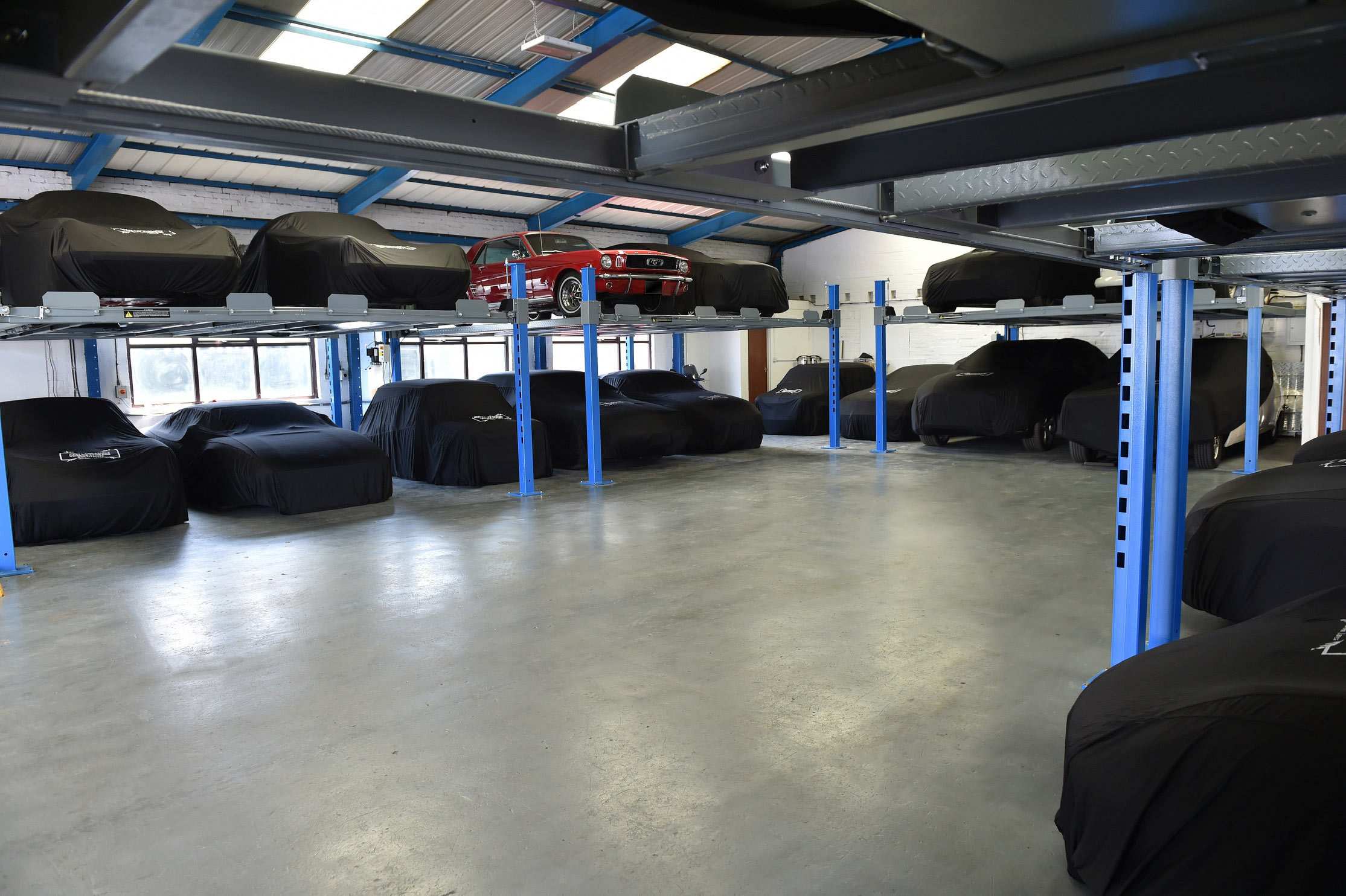
Choosing the right car cover is essential to keep your vehicle clean and safe during storage. A breathable cover is ideal for indoor storage, as it prevents moisture build-up and allows air circulation. For outdoor storage, opt for a waterproof cover that can shield your car from rain and debris.
Place your vehicle on a flat surface and use wheel chocks instead of engaging the handbrake, which can become stuck if left on for extended periods.
Whether indoors or outdoors, proper coverage and storage practices ensure your car remains protected and ready for use.
While your car is in storage, periodic checks are a good idea to ensure no issues have developed. Inspect the vehicle every few weeks to confirm there are no leaks, pests, or signs of deterioration.
Starting the engine periodically can help keep internal components lubricated and prevent seals from drying out, though this should be done cautiously to avoid excessive wear.
Additionally, document all the preparation steps you’ve taken so that when the time comes to use the car again, you can easily reverse the storage process and get back on the road smoothly.

Properly preparing your car for long-term storage is an essential task that preserves its condition, protects it from damage, and maintains its value.
By following these steps—cleaning and protecting the exterior, servicing mechanical components, maintaining the interior, and safeguarding against pests—you can ensure your car remains in excellent shape, even after months of inactivity.
Investing time and effort into preparation saves you from costly repairs and makes it far easier to bring your car back into use when needed. With a little foresight and care, your vehicle will be ready to hit the road whenever you are.
A vehicle is often one of the most significant investments you will make, and maintaining its value should be a

Winter can be harsh on vehicles, and proper vehicle storage is essential to protect your car from the season’s challenges.

Electric Vehicles (EVs) are not just changing how we drive; they’re also redefining the way we think about vehicle storage.

Auto detailing is an art form that transforms your vehicle from a mere mode of transportation to a dazzling showpiece,

For classic car enthusiasts, the vehicle is more than just a means of transportation; it’s a piece of history, an

Winter is coming, and for many vehicle owners, this means it’s time to think about storing their cars. Whether you’re